Full Truckload Shipping Services | MO Trucking Inc.
When it comes to moving large shipments efficiently, understanding full truckload shipping service is essential for businesses of all sizes. From cost factors to transit times, freight requirements, and avoiding common mistakes, this guide covers everything you need to know about full truckload freight and how to optimize your shipping process. Whether you’re new to FTL or looking to reduce costs without compromising service, this guide is your one-stop resource.
- What Is Full Truckload Service? Complete Beginner’s Guide for New Shippers
Full truckload (FTL) service is a shipping method where an entire truck is dedicated to a single shipment. Unlike less-than-truckload (LTL), where multiple shipments share space, FTL ensures your goods travel directly from origin to destination without intermediate stops.
Why FTL is important:
- Faster transit times
- Reduced risk of damage
- More control over scheduling and handling
New shippers should understand how truckload pricing works and the benefits of choosing FTL for large shipments.
- How Much Does Full Truckload Shipping Cost? A Complete 2025 Pricing Guide
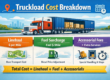
Understanding full truckload shipping cost is critical before booking your shipment. The total price depends on several truckload rate factors, including:
- Distance: Longer routes cost more.
- Weight and volume: Heavier or bulkier loads increase rates.
- Freight class: Commodity type affects pricing.
- Accessorial services: Liftgate, detention, and lumper fees impact the final cost.
Knowing what determines freight rates helps shippers plan budgets and compare carriers accurately.
Tip: Using a truckload freight rate calculator can help you get instant estimates and make informed decisions.
- How to Choose the Best Truckload Carrier for Your Business
Selecting the best truckload carrier is crucial for service reliability and cost efficiency. Consider:
- Carrier reputation and reliability
- Insurance and compliance
- Service offerings like liftgate, driver assist, and drop trailer programs
Performing a truckload carrier comparison helps identify which provider meets your needs. Ask questions like:
- How do they handle FTL vs LTL shipments?
- What transit times can they guarantee?
- Do they provide real-time tracking?
- FTL vs LTL: Which Option Saves You More Money?
Deciding between FTL vs LTL depends on shipment size, timing, and cost considerations.
- When to ship full truckload: Large shipments that fill a truck or need direct transit.
- Is FTL cheaper: Not always, but it reduces handling, lowers risk of damage, and can be faster.
- LTL benefits: Ideal for smaller shipments with budget constraints but may involve multiple stops.
- How to Get the Best Full Truckload Shipping Quote in 2025
Securing the best FTL shipping quote requires preparation:
- Know your shipment’s weight, dimensions, and class.
- Compare multiple carriers.
- Ask about accessorial fees upfront.
- Use tools like a truckload freight rate calculator to estimate costs.
Accurate quotes help avoid surprises and ensure cost-effective shipping.
- Truckload Freight Rate Calculator: How to Use One (Step-by-Step)
A truckload freight rate calculator helps shippers determine costs quickly. Here’s how to use one:
- Enter shipment origin and destination.
- Input weight, dimensions, and freight class.
- Select service level (standard, expedited, liftgate, etc.).
- Review estimated rate and optional services.
- Compare multiple quotes to find the best value.
Pro Tip: Many calculators allow you to export quotes for future reference and booking.
- Avoid These 7 Common Full Truckload Shipping Mistakes
Common mistakes can increase costs and cause delays:
- Not providing accurate freight details
- Failing to prepare pallets properly
- Ignoring truckload accessorial charges
- Booking last-minute shipments
- Overlooking insurance requirements
- Choosing the wrong carrier for your shipment
- Not using a rate calculator to compare quotes
Avoiding these pitfalls can save time and money while improving reliability.
- Accessorials Explained: The Hidden Fees That Impact Your Truckload Freight Rate
Truckload accessorial charges can dramatically affect your shipping cost. Common fees include:
- Liftgate fees
- Detention fees
- Lumper charges
Understanding these charges and how to avoid freight surcharges ensures accurate budgeting for FTL shipments.
- The Complete Guide to FTL Freight Requirements: Packaging, Pallets, Loading & More
Proper preparation ensures your freight arrives safely:
- Packaging: Secure and uniform for safety.
- Pallets: Standardized pallets reduce handling issues.
- Loading: Distribute weight evenly to comply with DOT regulations.
Following these guidelines minimizes risk and improves efficiency.
- How to Reduce Your Truckload Freight Cost Without Cutting Service
Tips to save money while maintaining quality:
- Consolidate shipments
- Optimize load planning
- Use cross-dock facilities to reduce handling
- Negotiate with carriers for regular contracts
Leveraging these strategies reduces full truckload shipping cost without sacrificing service quality.
- Why Drop Trailer Programs Improve Truckload Efficiency (And When to Use One)
Drop trailer programs allow shippers to leave trailers at a customer site for loading/unloading, which improves efficiency:
- Reduces driver wait time
- Simplifies scheduling
- Increases delivery flexibility
Using a drop trailer can lower overall truckload freight rate while improving service levels.
- Truckload Shipping for E-Commerce, Manufacturing, and Distribution: What You Need to Know
Different industries have unique FTL needs:
- E-Commerce: Fast, reliable deliveries with frequent shipments
- Manufacturing: Large, heavy loads with precise scheduling
- Distribution: Coordinated shipments to multiple locations
Tailoring your full truckload freight strategy by industry ensures smooth operations.
- Truckload Transit Times: What Affects Delivery Speed?
Transit times vary based on:
- Distance and route complexity
- Carrier capacity and scheduling
- Loading/unloading efficiency
Understanding how long FTL shipping takes helps plan inventory and reduce delays.
- How to Prep Freight for a Full Truckload Shipment (Checklist Included)
Use this checklist to ensure smooth shipping:
✅ Measure weight and dimensions accurately
✅ Label all freight clearly
✅ Secure cargo on pallets properly
✅ Confirm truckload accessorial needs
✅ Schedule pick-up in advance
✅ Use a rate calculator to compare quotes
✅ Verify carrier insurance and compliance
Following this checklist prevents delays and extra charges.
- Inside the Cross Dock Process: How Cross Docking Lowers Your Truckload Shipping Costs
Cross docking allows you to:
- Consolidate shipments efficiently
- Reduce storage and handling time
- Streamline FTL deliveries
At MO Trucking Inc., our 20,000 SF cross dock with 40 bay doors enables faster, more cost-effective shipments, giving you a competitive advantage.
- Interlinking and Calls to Action
Throughout your shipping process, MO Trucking Inc. provides tools and resources:
- Use our [Truckload Freight Rate Calculator] to get instant quotes.
- Contact us for a FTL shipping quote:
- 📞 Call: 631-755-5858
- 📧 Email: eric@motruckinginc.com
- 📱 Text: 516-250-4480
Interlink your supporting blogs within this pillar page to boost SEO and provide additional resources for shippers.
Conclusion
Whether you’re a new shipper or a seasoned logistics professional, understanding full truckload shipping services is essential for cost savings, efficiency, and reliability. By using truckload rate calculators, avoiding common mistakes, and working with the best truckload carriers, your business can achieve faster, safer, and more predictable shipping outcomes.
MO Trucking Inc. is here to guide you every step of the way with expert FTL shipping services, cross-docking, drop trailer programs, and transparent freight rates.