
Introduction
Understanding truckload shipping quotes isn’t as simple as comparing numbers on a screen. Every quote is a reflection of a complex, dynamic market where rates fluctuate daily based on capacity, demand, equipment availability, and regional conditions.
At MO Trucking, we’ve been navigating these complexities for years, managing truckload shipments across the NYC metro and nationwide lanes. In this guide, we’ll break down how truckload shipping quotes are calculated, what drives their variability, and how experienced carriers like us protect shippers from hidden costs and unexpected delays. By the end, you’ll not only understand your quote but also why choosing an expert carrier matters more than simply picking the lowest price.
-
What Truckload Shipping Quotes Actually Represent
A truckload shipping quote is more than just a price—it’s a snapshot of the market at a specific moment in time. The same lane can yield different quotes depending on:
- Carrier capacity: How many trucks are available in a given region.
- Timing: Quotes change daily based on market demand.
- Service level: Pickup flexibility, delivery windows, and special handling.
- Equipment type: Dry van, flatbed, or refrigerated units each carry unique pricing factors.
A common misconception is that all quotes are created equal. In reality, quotes reflect the carrier’s risk and capacity constraints at the time they are provided. A quote from a broker might differ from a direct carrier quote, even for the same lane, because of how each party evaluates availability and operational costs.
-
How Truckload Shipping Quotes Are Built (Carrier Reality)
Understanding the components of a truckload shipping quote is where real expertise shows. Quotes are not arbitrary—they’re based on several key factors:
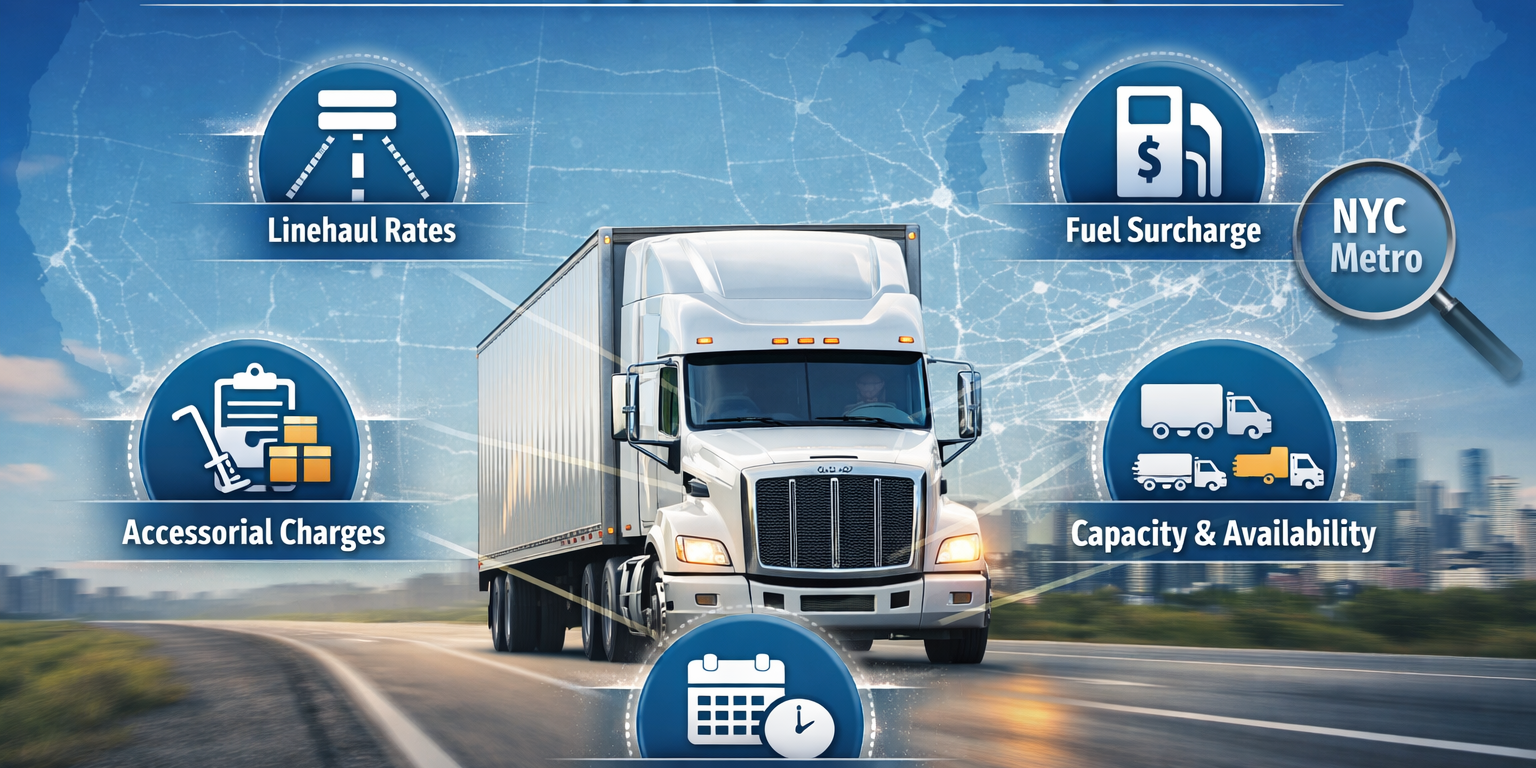
- Linehaul vs Accessorials – The base linehaul covers the distance from origin to destination. Accessorials account for extra services like liftgate, inside delivery, residential pickup, or detention. These can dramatically shift the final quote.
- Fuel Surcharges – Fuel isn’t static. Carriers calculate fuel surcharges based on current diesel prices and index them weekly. A small change in fuel cost can affect the total quote significantly.
- Capacity Availability – The number of trucks available in a region impacts pricing. High demand and low truck availability push rates up.
- Lane Balance (Headhaul vs Backhaul) – Carriers consider whether a truck can return with a paying load. Empty miles often increase quote prices to offset unprofitable trips.
- Equipment Type & Service Window – Specialized equipment like refrigerated units or flatbeds, along with narrow pickup or delivery windows, increase the complexity and cost of the quote.
By understanding these factors, shippers can see why quotes vary and how an experienced carrier like MO Trucking structures them accurately and fairly.
- Market Forces That Impact Truckload Shipping Quotes
Even the best carrier cannot control the market—but experienced carriers anticipate and navigate it. Key market forces include:
- Spot vs Contract Pressure – Spot market rates fluctuate daily, while contract rates offer stability but sometimes lower flexibility. Knowing when to leverage each is critical.
- Seasonal Demand Cycles – Holidays, retail surges, and seasonal production spikes influence pricing.
- Port Congestion & Regional Surges – Delays at ports, especially on the East Coast, and regional imbalances can temporarily spike rates.
- Weather Disruptions – Storms or extreme weather create short-term volatility.
- Driver Availability – Nationwide driver shortages or regional absences directly affect pricing.
- Fuel Price Volatility – Sudden changes in diesel costs ripple into every quote, especially for long-haul lanes.
By considering these factors, MO Trucking ensures quotes are realistic and reflect true market conditions—not just theoretical numbers.
-
Spot Quotes vs Contract Quotes (What Shippers Need to Know)
Truckload shipping quotes come in two primary forms: spot quotes and contract quotes.
- Spot Quotes: These are generated for immediate or short-term shipments. They fluctuate daily and reflect current market conditions. Spot quotes are ideal when you need flexibility, but they carry more risk of higher rates during peak demand.
- Contract Quotes: Offered under longer-term agreements, contract quotes provide price stability and guaranteed capacity. While they may be slightly higher than a low spot quote, they reduce risk and ensure reliable service.
Understanding when to leverage spot versus contract pricing is a key advantage for shippers working with experienced carriers.
- Why Truckload Shipping Quotes Change So Quickly
Truckload shipping quotes are dynamic because the market itself is constantly shifting. Factors causing rapid changes include:
- Tender rejections: Not every load offered is accepted.
- Capacity shifts: Trucks may move into or out of a region, changing supply.
- Regional surges: Short-term demand spikes in certain areas increase quotes.
- Market volatility: Fuel costs, weather events, and labor shortages all impact pricing.
An expert carrier anticipates these shifts and provides quotes that reflect current realities, not outdated assumptions.
-
Common Mistakes Shippers Make When Comparing Truckload Shipping Quotes
Many shippers compare quotes purely on price, but this can be misleading. Common mistakes include:
- Ignoring service level differences
- Overlooking accessorial charges
- Selecting the lowest price without considering reliability
- Not understanding carrier vs broker quotes
By avoiding these pitfalls, shippers make smarter decisions that save money and prevent delivery delays.
- How Experienced Carriers Deliver More Accurate Truckload Shipping Quotes
Experience is everything in truckload shipping. MO Trucking leverages:
- Lane familiarity: Knowing regional constraints and traffic patterns
- Network freight: Optimizing truckload availability across lanes
- Dedicated equipment: Ensuring trucks and drivers are ready when needed
- Cross-dock & final-mile control: Reducing delays and handling errors
- NYC metro expertise: Navigating complex urban deliveries efficiently
This expertise allows carriers to produce quotes that reflect reality, not guesswork.
- How to Get a Reliable Truckload Shipping Quote
To receive a precise truckload shipping quote:
- Provide accurate shipment details: weight, dimensions, and quantity
- Include special handling requirements or equipment needs
- Share pickup and delivery flexibility
- Consider market timing: book early when possible
- Work with experienced carriers: they anticipate hidden costs and delays
Following these steps ensures quotes are accurate and protect your shipment from surprises.
- Why Expertise Matters More Than Price in Truckload Shipping Quotes
In a volatile market, expertise often saves more money than chasing the lowest quote. Experienced carriers:
- Protect your shipment from delays and damages
- Avoid unnecessary accessorial fees
- Navigate regional and seasonal challenges
- Provide accurate, realistic quotes that reflect true costs
Frequently Asked Questions (FAQs)
Q1: What is a truckload shipping quote?
A truckload shipping quote is an estimate of the cost to transport a full truckload of goods from one location to another. It includes linehaul charges, fuel surcharges, accessorial fees, and other factors like equipment type and delivery windows. Quotes are dynamic and can change based on market conditions, capacity, and regional demand.
Q2: Why do truckload shipping quotes vary so much?
Quotes vary due to several market forces, including truck availability, seasonal demand, fuel prices, port congestion, and regional imbalances. Even small changes in any of these factors can impact the final quote. Experienced carriers anticipate these fluctuations and provide quotes that reflect real market conditions.
Q3: What’s the difference between a spot quote and a contract quote?
- Spot Quote: Short-term, flexible, and reflects current market conditions. Rates can fluctuate daily. Ideal for immediate shipments.
- Contract Quote: Long-term agreement providing stable rates and guaranteed capacity. Often slightly higher than the lowest spot quote but reduces risk and ensures reliability.
Q4: How can shippers get the most accurate truckload shipping quote?
To get an accurate quote:
- Provide precise shipment details (weight, dimensions, quantity)
- Include any special handling or equipment requirements
- Specify pickup and delivery flexibility
- Work with an experienced carrier who understands market dynamics
Q5: Do fuel surcharges affect truckload shipping quotes?
Yes. Fuel surcharges are calculated based on current diesel prices and are indexed weekly. Even small changes in fuel cost can significantly affect the total quote, especially for long-haul shipments.
Q6: How often do truckload shipping quotes change?
Truckload shipping quotes can change daily—or even hourly—depending on market conditions. Factors like tender rejections, driver availability, regional demand surges, and fuel price fluctuations all contribute to quote volatility.
Q7: Why is it important to work with an experienced carrier for truckload shipping quotes?
Experienced carriers like MO Trucking provide accurate, realistic quotes that account for market fluctuations, accessorials, equipment availability, and regional logistics challenges. Choosing an expert carrier ensures reliability, reduces hidden costs, and protects your shipment from delays or unexpected fees.
Choosing a knowledgeable carrier like MO Trucking ensures that your truckload shipping experience is reliable, predictable, and stress-free.