Truckload Rate Estimate: What It Really Means for Shippers
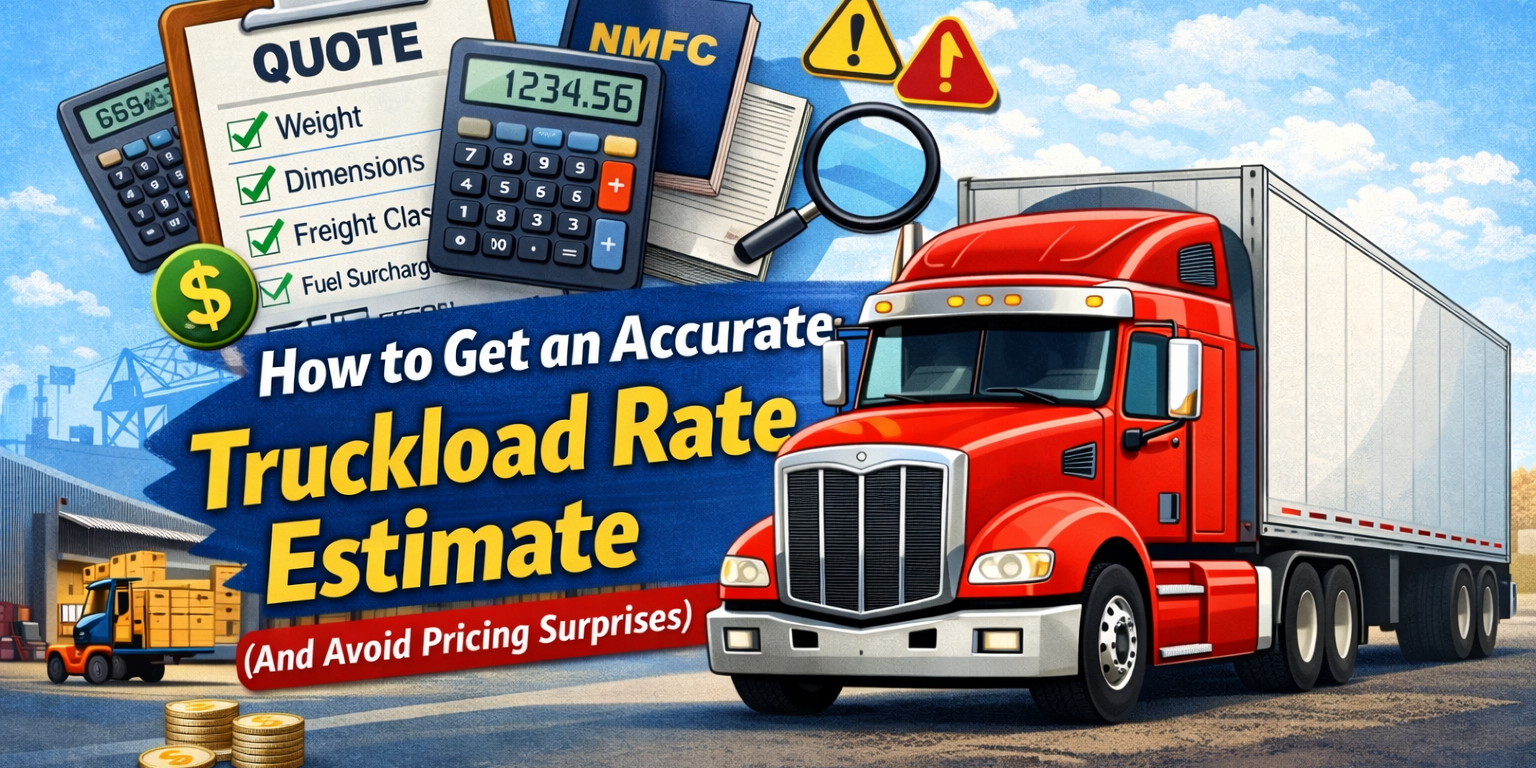
A truckload rate estimate is more than just a number—it’s a projection of the real cost to move a full trailer from origin to destination under current market conditions. The accuracy of that estimate depends on freight details, lane demand, timing, equipment type, and how the carrier prices risk.
Shippers often run into trouble when estimates are built on incomplete or incorrect data. That’s when rates change, invoices don’t match expectations, and rebills appear after delivery.
This guide breaks down how truckload pricing actually works and how to get estimates you can trust.
What Goes Into a Truckload Rate Estimate?
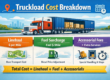
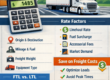
An accurate truckload rate estimate is built from multiple inputs working together—not a flat per-mile number.
- Lane & Market Conditions
Truckload rates fluctuate daily based on supply and demand. High-volume lanes, seasonal surges, and regional imbalances can push rates up or down quickly.
- Equipment Type
Dry van, reefer, flatbed, step deck, or specialized equipment all price differently. Even trailer length and swing doors vs. roll-up doors can impact availability.
- Weight, Dimensions & Density
Even in full truckload shipping, incorrect weight or dimensions can change pricing—especially for legal compliance and equipment selection.
- Pickup & Delivery Requirements
Appointment-only facilities, limited dock access, liftgate needs, inside delivery, or tight delivery windows all affect the estimate.
- Fuel & Accessorials
Fuel surcharges, detention, layover, and tolls are often excluded from “quick quotes” but matter when calculating real landed cost.
Truckload Rate Estimate vs. FTL Freight Quote
Many shippers use these terms interchangeably, but they serve different purposes:
- Truckload Rate Estimate: A market-based projection used for planning and budgeting
- FTL Freight Quote: A more precise, actionable price based on confirmed shipment details
The best providers bridge the gap by validating freight details before issuing a quote, reducing surprises later.
Why Truckload Rate Estimates Change After Booking
Rate changes usually aren’t random—they’re caused by missing or inaccurate information.
Common reasons include:
- Weight or dimensions underestimated
- Freight packaged differently than described
- Pickup or delivery conditions not disclosed
- Market conditions changed between estimate and tender
Working with a carrier that reviews shipments upfront dramatically lowers the risk of post-delivery adjustments.
How to Get a More Accurate Truckload Rate Estimate
Shippers who consistently get reliable pricing follow a few best practices:
- Provide exact weight, dimensions, and packaging
- Share photos of the freight when possible
- Disclose delivery requirements upfront
- Work with carriers who verify freight before booking
Accuracy upfront saves time, money, and internal headaches.
Truckload Rate Estimate Trends Shippers Should Watch
Understanding broader market trends helps shippers plan better:
- Seasonality: Rates typically rise during produce season and Q4
- Capacity Shifts: Tight capacity drives volatility
- Fuel Price Changes: Fuel surcharges move faster than base rates
Smart shippers track trends but rely on real-time estimates for execution.
Why Shippers Choose MO Trucking Inc.
At MO Trucking Inc., we don’t just generate numbers—we review shipments.
Our process focuses on:
- Freight validation before quoting
- Market-aware truckload rate estimates
- Reducing rebills and surprises
- Clear communication via phone, text, and email
This approach protects both shippers and carriers.
Get a Truckload Rate Estimate You Can Trust
If you’re tired of inaccurate pricing and post-delivery surprises, we can help.
📞 Office: 631‑755‑5858
📱 Text: 516‑250‑4480
📧 Email: eric@motruckinginc.com
🌐 Instant Quote: https://motruckinginc.com/freight-rate/
Our team will review your shipment and provide a truckload rate estimate built for execution—not guesswork.
Need a real truckload rate estimate—not an average? Call 631-755-5858, text 516-250-4480, or request an instant quote online.
Truckload Rate Estimate FAQs (People Also Ask Optimized)
What is a truckload rate estimate?
A truckload rate estimate is a projected cost to move a full trailer based on lane demand, equipment type, fuel costs, and shipment details like weight and dimensions. It’s used for planning purposes and may change if shipment information or market conditions change.
Why did my truckload rate estimate change?
A truckload rate estimate usually changes because shipment details were incomplete or incorrect. Common reasons include inaccurate weight or dimensions, packaging differences, undisclosed pickup or delivery requirements, or sudden changes in market capacity.
Is a truckload rate estimate the same as an FTL freight quote?
No. A truckload rate estimate is a market-based projection, while an FTL freight quote is a more finalized price based on verified shipment details. Also, quotes are more accurate because the freight has been reviewed before booking.
Does freight class matter for full truckload shipping?
Freight class typically matters less for full truckload shipping than LTL. However, accurate weight, dimensions, and packaging are still critical for legal compliance, equipment selection, and avoiding rebills.
Is FTL cheaper than LTL?
FTL can be cheaper than LTL when shipping large, heavy, or time-sensitive freight. While LTL may appear cheaper upfront, it often includes extra handling, longer transit times, and higher risk of accessorial charges.
How can I get an accurate truckload rate estimate?
To get an accurate truckload rate estimate, provide exact weight, dimensions, packaging details, and pickup and delivery requirements. Working with a carrier that reviews freight details before quoting greatly reduces pricing changes.
Do fuel prices affect truckload rate estimates?
Yes. Fuel prices directly impact truckload rates. Some estimates include fuel surcharges, while others list fuel separately, so it’s important to confirm whether fuel is included in the quoted rate.
Can truckload rates change after booking?
Truckload rates can change after booking if shipment details differ from what was originally provided. Additionally, when freight details are accurate and reviewed upfront, post-booking rate changes are far less likely.
Why are online truckload rate estimates inaccurate?
Online truckload rate estimates are often inaccurate because they rely on averages and assumptions. Without verifying freight details, these tools may miss accessorials, packaging requirements, or lane-specific constraints.
How long is a truckload rate estimate valid?
Most truckload rate estimates are valid for a short period, often 24–72 hours. Also, rates can change quickly due to fuel costs, capacity shifts, and market demand.
Related Topics for Shippers
- FTL Freight Quote Accuracy
- Full Truckload Freight Cost Breakdown
- Freight Density & Classification
- Truckload Shipping Rates Explained
Sources