
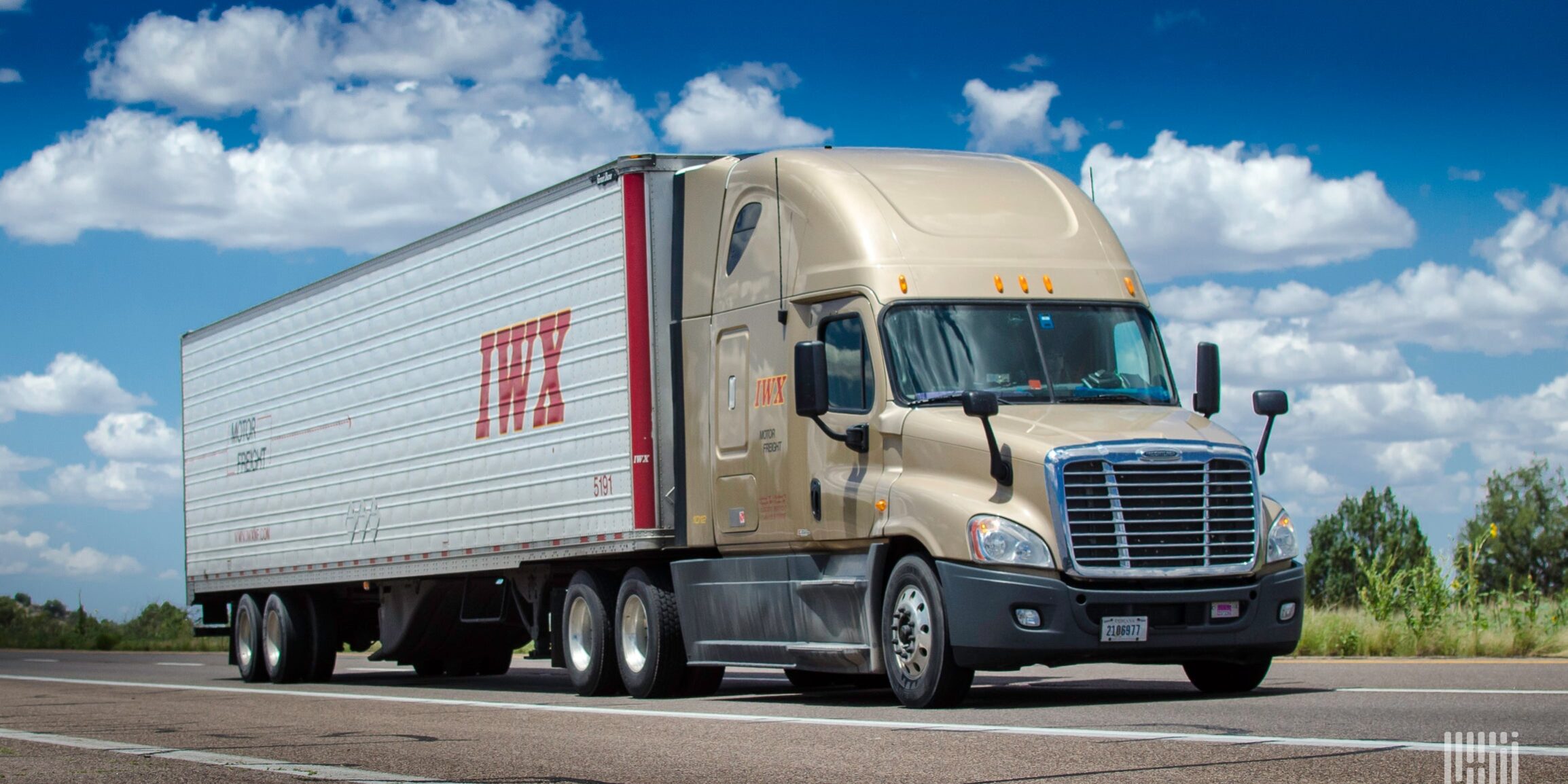
“Your Complete Guide to Getting an FTL Freight Quote in 2025”
Introduction
If you’re shipping large loads, one of the most important steps is getting an accurate FTL freight quote. Whether you’re moving across states or transporting heavy machinery, knowing how quotes are calculated—and what to look for—will help you budget wisely and avoid surprises.
What is an FTL Freight Quote?
- Definition: Full Truckload (FTL) means you rent an entire trailer for your shipment.
- Difference between FTL vs LTL (Less than Truckload): Cost, speed, handling.
- When to choose FTL: large volume, heavy weights, tight timelines.
Key Factors That Affect Your FTL Freight Quote
| Factor | Why It Matters |
| Distance / Miles | Longer hauls = higher fuel & driver cost. |
| Weight & Volume | Heavy or oversized loads consume more resources. |
| Freight Class or Type of Goods | Hazardous materials, perishables, or special handling increase cost. |
| Origin & Destination Access | If dock access, road quality, or urban congestion are bad, it can add cost. |
| Fuel Prices & Surcharges | Volatility in fuel costs adds unpredictable surcharges. |
| Seasonality & Demand | Peak shipping seasons and tight capacity = higher rates. |
| Additional Services | Liftgate, inside delivery, palletizing, packaging, etc. |
How to Calculate or Estimate an FTL Freight Quote
- Gather all specs: weight, dimensions, class/type, origin & destination.
- Use online calculators / request multiple carrier quotes.
- Breakdown of quote: base haulage + fuel surcharge + accessorials.
- Example calculation with hypothetical numbers (for clarity).
Tips to Get the Best FTL Freight Quote
- Be flexible with pickup/drop-off times.
- Consolidate shipments if possible.
- Negotiate with carriers or brokers—volume discounts may apply.
- Avoid hidden fees: accessorials, detention/demurrage.
- Use an online quote tool or platform for comparisons.
Free Tools & Resources
- Comparison platforms / quote request forms
- FTL cost calculators (embed if possible)
- Freight class lookup charts
- Glossary of freight & shipping terms
FAQs
Q1: How long does an FTL freight quote stay valid?
Typically 30-60 days, depending on fuel and demand fluctuations.
Q2: Can I get a binding vs non-binding FTL quote?
Yes—in many cases, you can request a binding quote which fixes the price unless your shipment specs change.
Q3: What is the typical transit time for FTL shipments?
Depends on distance, route, and access; often faster than LTL since there’s no multiple stops.
Q4: What’s the difference between “loaded miles” vs “empty miles”?
Carriers consider empty miles (when truck returns with no load) in cost and pricing.
Conclusion
Getting an accurate FTL freight quote is about understanding what variables affect price, being transparent with specs, comparing multiple offers, and knowing what to watch out for. With these tools and tips, you’ll be better equipped to get competitive quotes and avoid costly surprises in your freight shipping.
Key Factors That Affect Your FTL Freight Quote
| Factor | Why It Matters | Source |
| Distance / Route | Longer hauls = higher fuel & driver cost; route difficulties (terrain, traffic) increase cost. | routeonetransport.com |
| Weight & Volume | Heavy or bulky loads need more resources; volume can affect space needed vs weight (density). | routeonetransport.com+1 |
| Freight Type / Class / Handling | If goods are hazardous, refrigerated, or large and odd-sized, they cost more. | Diversified Transportation Services+1 |
| Fuel Prices & Surcharges | Fuel is a big variable; surcharges are passed to shippers. | Diversified Transportation Services+1 |
| Capacity / Supply & Demand | When trucks are scarce or demand is high, rates spike. | RXO+2Diversified Transportation Services+2 |
| Transit Time / Lead Time | Faster delivery = higher price; tight scheduling increases cost. | Diversified Transportation Services+1 |
| Accessorial Services | Additional services (liftgate, inside delivery, residential pickup etc.) add fees. | blog.cargobot.io |
| Seasonality & Market Trends | Peak demand seasons, holidays, or market fluctuations (e.g. ability to find return loads) affect rate. | RXO+1 |