
Full Truckload Freight Quotes Explained: Rates, Cost Drivers, and How to Secure the Best Price
When shipping large volumes of freight, understanding pricing, market conditions, and how carriers calculate rates is critical. For businesses moving full trailer loads, knowing how to secure a reliable Full Truckload Freight Quote can mean the difference between protecting margins and overspending on transportation.
In this guide, we’ll break down:
- How full truckload shipping rates are determined
- What market factors impact pricing today
- How shippers can lock in competitive rates while maintaining service reliability
Whether you ship daily or seasonally, this article will help you make smarter freight decisions.
What Is a Full Truckload Freight Quote?
A full truckload freight quote is a price provided by a carrier or trucking company to move a shipment that fills most or all of a trailer. Unlike LTL (less-than-truckload) shipments, FTL freight typically moves directly from pickup to delivery, reducing handling, transit time, and risk of damage.
A professional Full Truckload Freight Quote reflects real operating costs, market conditions, and route demand — not just a flat per-mile number.
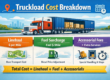
How Full Truckload Shipping Rates Are Calculated
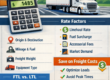
FTL shipping rates are dynamic and influenced by several key components. Understanding these variables helps shippers evaluate quotes more accurately and avoid pricing surprises.
- Distance and Lane Demand
Mileage is the foundation of any truckload rate, but lane demand matters just as much. High-volume corridors often price more competitively, while deadhead-heavy or low-demand lanes cost more.
- Equipment Type
Rates vary depending on trailer requirements:
- Dry van
- Refrigerated (reefer)
- Flatbed or specialized equipment
Each equipment type has different operating and maintenance costs.
- Weight and Freight Characteristics
Even with FTL shipments, weight impacts fuel consumption and compliance. Dense or high-weight freight may require specific axle spacing or equipment, affecting price.
- Pickup and Delivery Requirements
Same-day delivery, tight appointment windows, live loading, or inside delivery can all increase costs. Flexibility often leads to better pricing.
Market Conditions That Impact Full Truckload Rates
Truckload pricing isn’t static. It fluctuates based on broader market forces, and understanding these trends helps shippers time shipments more effectively.
Supply and Demand Cycles
When freight demand exceeds truck availability, rates rise. During softer markets, shippers gain leverage and can secure more competitive pricing.
Fuel Costs
Fuel surcharges adjust with diesel prices and can significantly impact total transportation spend, especially on long-haul routes.
Seasonal Shipping Peaks
Retail seasons, produce harvests, and end-of-quarter surges all drive temporary rate increases. Planning ahead is key to cost control.
Regulatory and Labor Factors
Driver availability, compliance costs, and regulatory changes can influence carrier capacity and pricing structures.
A transparent Full Truckload Freight Quote accounts for these variables instead of relying on outdated averages.
Average Full Truckload Shipping Rates (What Shippers Should Expect)
While rates vary widely by lane and timing, most domestic FTL shipments are priced using a per-mile model combined with accessorials. Shippers should expect pricing to reflect:
- Current fuel market
- Lane consistency
- Load frequency and volume commitments
Working with a carrier that understands lane-specific pricing ensures you’re not overpaying due to generic market assumptions.
How to Secure Better Truckload Rates Without Sacrificing Service
Many shippers make the mistake of chasing the cheapest number. While cost matters, reliability, communication, and accountability often save more money long-term.
- Provide Accurate Load Details
Incomplete or inaccurate shipment information leads to rate adjustments and service issues. Transparency upfront improves pricing accuracy.
- Offer Scheduling Flexibility
Flexible pickup and delivery windows allow carriers to optimize routing and reduce deadhead, lowering rates.
- Build Long-Term Carrier Relationships
Consistent freight volume helps carriers forecast capacity and offer preferred pricing.
- Choose a Carrier With Real Market Knowledge
Not all quotes are created equal. A realistic Full Truckload Freight Quote reflects real capacity, not a rate designed to win the load and fail later.
Full Truckload vs. LTL: Why FTL Often Saves Money
For shipments that approach a full trailer, FTL often provides better value:
- Faster transit times
- Reduced handling and damage risk
- More predictable pricing
- Direct point-to-point delivery
When comparing options, total landed cost — not just base rate — should guide the decision.
Why MO Trucking Inc Is a Reliable FTL Partner
At MO Trucking Inc, we focus on accurate pricing, dependable service, and clear communication. Our quotes are built on:
- Real-time market conditions
- Lane-specific experience
- Operational feasibility
We don’t believe in bait-and-switch pricing. When you receive a quote from us, you can plan with confidence knowing the rate reflects true market conditions.
Final Thoughts
Understanding how truckload rates are built empowers shippers to make better logistics decisions. From market cycles to operational details, every variable matters when securing the right pricing.
A well-structured Full Truckload Freight Quote isn’t just a number — it’s a commitment to service, reliability, and cost transparency.
If your business depends on consistent truckload capacity, partnering with a carrier that understands both pricing and performance is essential.