
Understanding FTL Shipping Rates and Their Impact on Your Supply Chain
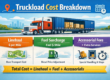
When it comes to moving large shipments efficiently, FTL shipping rates are a critical factor for shippers evaluating cost, reliability, and speed. Full Truckload (FTL) is often the best choice for businesses with high-volume or specialized freight, since you’re booking the entire trailer instead of sharing space with other customers like in LTL shipping.
Whether you’re moving high-value goods, fragile freight, or high-volume seasonal orders, knowing how FTL shipping rates are calculated helps you secure better pricing and select the right partners. Let’s explore how FTL trucking services support multiple industries across the U.S.
Why Businesses Choose FTL Trucking Services
Shippers often prefer FTL trucking services because of the efficiency and security of dedicated loads. With no freight consolidation, shipments move directly from origin to destination, minimizing handling risks. This makes FTL ideal for:
- FTL shipping for oversized cargo in cities like Dallas, TX, where industrial and energy-related freight often requires flatbeds or specialized trailers.
- FTL trucking for agricultural products in Fresno, CA, a major hub for fresh produce, where time-sensitive deliveries must reach markets quickly.
- FTL freight services for manufacturers in Chicago, IL, one of the nation’s top manufacturing and logistics centers.
- FTL trucking for perishable goods in Atlanta, GA, a major food distribution hub with high demand for refrigerated transport.
- FTL shipping for retail distribution in Los Angeles, CA, the gateway for imported goods moving from the ports to retail centers nationwide.
Finding the Right FTL Freight Partner
Every business has unique shipping requirements, which is why comparing providers is essential. Searching for FTL freight near me can help shippers identify regional carriers who understand local markets, but for national distribution, aligning with the best FTL carriers ensures consistent service levels and competitive pricing.
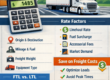
If you’re sourcing capacity, requesting FTL shipping rates is the first step. Rates fluctuate based on fuel, demand, seasonality, and lanes. For example:
- FTL trucking in Chicago, IL is highly competitive due to its centralized location and intermodal connections.
- Affordable FTL shipping in Dallas, TX is possible thanks to its strong network of carriers servicing energy, retail, and industrial supply chains.
- Shippers searching for FTL freight near Atlanta, GA will find a variety of refrigerated and dry van providers supporting regional distribution.
- Top FTL trucking services in Los Angeles, CA are in constant demand due to port drayage and retail distribution requirements.
For industry-specific needs, it’s also smart to partner with providers offering FTL trucking for agricultural products in Fresno, CA, or FTL trucking for perishable goods in Atlanta, GA, since those markets require specialized equipment and expertise.
How to Reduce Costs on FTL Shipping Rates
To keep FTL shipping rates competitive, shippers should:
- Leverage volume – Committing to consistent freight helps secure long-term pricing.
- Be flexible on lanes and scheduling – Adjusting pickup times can help carriers optimize their routes.
- Use technology – Platforms offering instant quotes and real-time tracking simplify carrier comparisons.
- Work with top carriers – The best FTL carriers provide reliability that avoids costly delays and claims.
Conclusion
Understanding the nuances of FTL shipping rates gives shippers the power to negotiate smarter, choose the right markets, and align with carriers that best serve their industries. From agricultural hubs like Fresno to major distribution centers like Dallas and Los Angeles, FTL remains a cornerstone of modern supply chain strategies.
Resources
- FreightWaves – Freight Market Trends
- DAT Freight & Analytics – Truckload Rates
- Transport Topics – Trucking News
- American Trucking Associations
- Inbound Logistics – Freight Resources