Cross Dock Warehouse vs Traditional Warehouse: Which Warehouse Solution Is Right for Your Business?
Choosing the right warehouse solution can have a major impact on your transportation costs, inventory management, and customer satisfaction. While both cross dock warehouses and traditional warehouses play important roles in modern supply chains, they are designed for very different purposes.
Understanding the differences can help importers, manufacturers, retailers, freight brokers, and third-party logistics providers (3PLs) select the best solution for their freight.
If your business is considering a Cross Dock Warehouse New York, this guide explains how cross docking compares to traditional warehousing and when each option makes the most sense.
What Is a Cross Dock Warehouse?
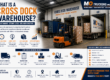
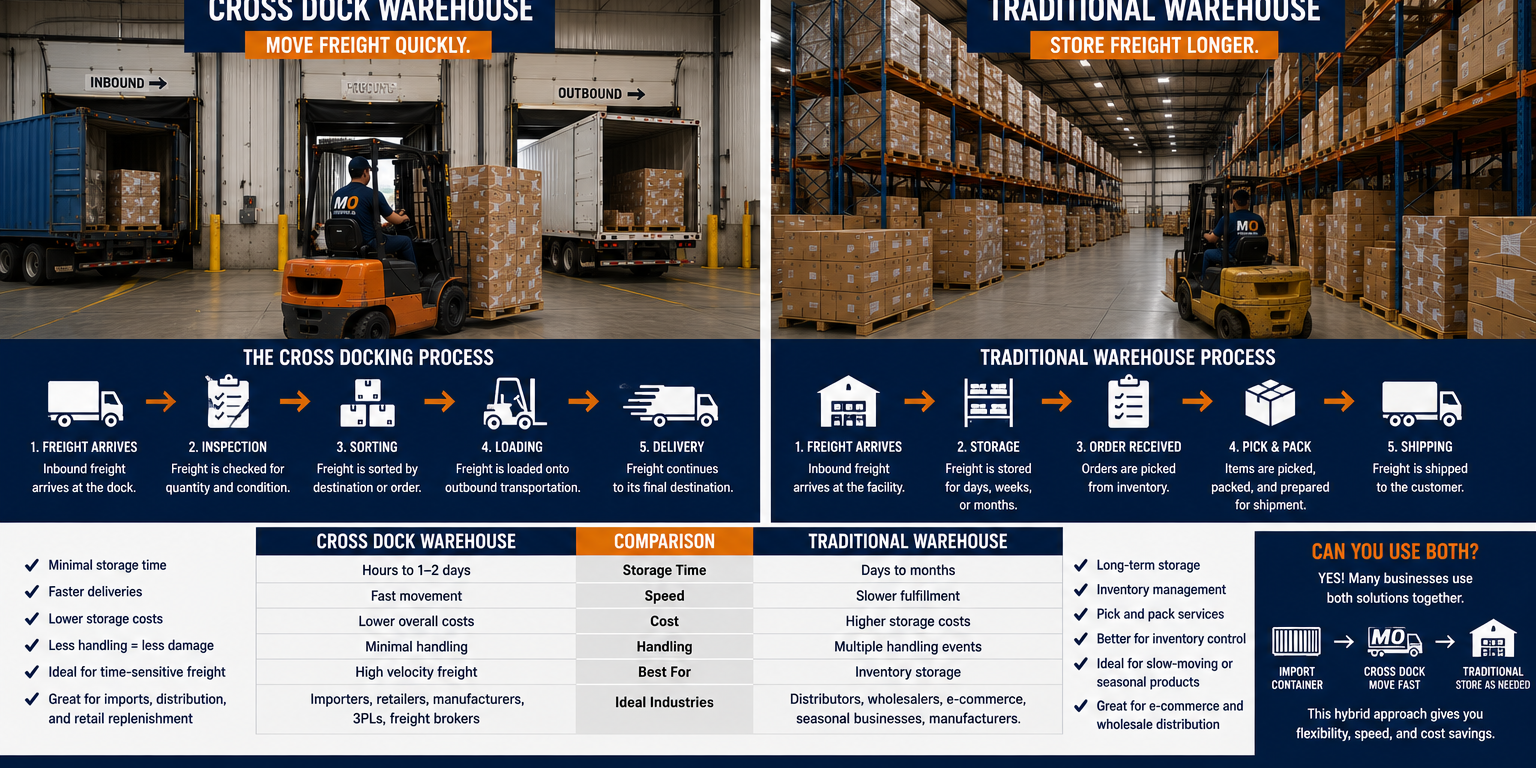
A cross dock warehouse is designed to move freight quickly through a warehouse with little or no long-term storage.
Freight is typically:
- Received
- Inspected
- Sorted
- Consolidated if necessary
- Loaded onto outbound transportation
- Delivered
Instead of remaining in storage for weeks or months, products continue moving through the supply chain.
Cross dock warehouses are ideal for companies that need speed, efficiency, and lower transportation costs.
What Is a Traditional Warehouse?
A traditional warehouse is designed primarily for inventory storage.
Products may remain in the warehouse for:
- Days
- Weeks
- Months
- Seasonal inventory
- Long-term inventory management
Traditional warehouses provide storage space while allowing businesses to manage inventory levels before products are shipped to customers.
Cross Dock Warehouse vs Traditional Warehouse
The biggest difference is how long freight remains inside the facility.
| Cross Dock Warehouse | Traditional Warehouse |
| Minimal storage | Long-term storage |
| Fast freight movement | Inventory management |
| Lower storage costs | Storage fees apply |
| Less freight handling | Multiple handling events |
| Faster deliveries | Slower order fulfillment |
| Ideal for distribution | Ideal for inventory storage |
Neither solution is better than the other—they simply solve different logistics challenges.
When Should You Use a Cross Dock Warehouse?
Cross docking is an excellent choice when your freight:
- Doesn’t require storage
- Has scheduled delivery appointments
- Must move quickly
- Needs trailer transfers
- Requires final mile delivery
- Is imported through the Port of New York and New Jersey
- Needs freight consolidation before delivery
Cross docking helps reduce delays while improving transportation efficiency.
When Should You Use a Traditional Warehouse?
Traditional warehousing is often the better choice when your business needs:
- Long-term inventory storage
- Seasonal inventory management
- Order fulfillment
- Pick and pack services
- Inventory control
- Safety stock
- Distribution over an extended period
Many businesses use traditional warehouses as inventory hubs before shipping products to customers.
Can Businesses Use Both?
Absolutely.
Many companies use both warehouse models together.
For example:
- Import containers arrive.
- Freight is unloaded.
- Priority shipments move immediately through cross docking.
- Remaining inventory is stored until needed.
This hybrid approach provides flexibility while optimizing transportation costs.
Which Industries Benefit Most from Cross Dock Warehousing?
Cross dock warehouses are commonly used by:
- Importers
- Retailers
- Manufacturers
- Food distributors
- Medical suppliers
- Construction suppliers
- Freight brokers
- Third-party logistics providers
- Trade show companies
- E-commerce businesses
These industries often move freight quickly and don’t require extended storage.
Which Industries Benefit from Traditional Warehousing?
Traditional warehousing works well for:
- Wholesale distributors
- Retail inventory management
- Seasonal businesses
- Manufacturing inventory
- E-commerce fulfillment
- Spare parts distribution
- Consumer packaged goods
- Businesses with unpredictable demand
How Cross Dock Warehousing Reduces Costs
Many businesses switch to cross docking because it helps lower overall logistics expenses.
Benefits include:
Lower Storage Costs
Freight spends less time inside the warehouse.
Less Product Handling
Fewer handling events reduce labor costs and freight damage.
Faster Transportation
Freight moves directly into outbound transportation.
Better Trailer Utilization
Shipments can be consolidated before delivery.
Improved Customer Satisfaction
Faster deliveries help businesses exceed customer expectations.
Services That Often Complement Cross Dock Warehousing
Businesses using cross dock warehouses often combine additional warehouse services including:
- Transloading Services In New York
- Trailer Transloading Services New York
- Container Unloading Services New York
- Container Destuffing Services In New York
- Floor Loaded Container Unloading Services New York
- Freight Consolidation Services New York
- LTL Consolidation Services New York
- Truck-to-Truck Freight Transfer
- Distribution Services In New York
Using one warehouse partner for multiple logistics services simplifies operations while reducing transportation costs.
Frequently Asked Questions
Is a cross dock warehouse cheaper than a traditional warehouse?
For freight that doesn’t require long-term storage, yes. Cross docking often reduces storage fees, labor costs, and transportation expenses.
Does a cross dock warehouse store inventory?
Sometimes, but only temporarily. The primary purpose is moving freight quickly rather than storing inventory.
Can imported freight use cross docking?
Yes. Many import shipments are unloaded from ocean containers and immediately transferred into domestic trailers for delivery.
Which warehouse is better for e-commerce?
It depends on the business model. Companies holding inventory often benefit from traditional warehousing, while businesses moving products quickly may benefit from cross docking.
Can cross docking reduce freight damage?
Yes. Since freight is handled fewer times, there is generally less opportunity for product damage.
Can a business use both warehouse types?
Absolutely. Many companies use traditional warehousing for inventory while using cross dock facilities for time-sensitive shipments.
Final Thoughts
There isn’t one warehouse solution that works for every business.
A traditional warehouse is designed to store inventory until it’s needed.
A cross dock warehouse is designed to move freight as quickly and efficiently as possible.
Understanding the differences allows businesses to choose the right logistics strategy while reducing costs and improving delivery performance.
For companies shipping throughout New York and the Northeast, cross dock warehousing is often an excellent solution for import freight, retail distribution, manufacturing shipments, and final mile delivery.
Need Help Choosing the Right Warehouse Solution?
Whether your shipment requires cross docking, freight consolidation, transloading, or warehouse handling, Request a Free Quote and our team will recommend the most efficient solution for your freight.
If you’d like to discuss your transportation or warehouse needs, Contact Our Warehouse Team today. Our logistics specialists are ready to help you streamline your supply chain and keep your freight moving efficiently.