
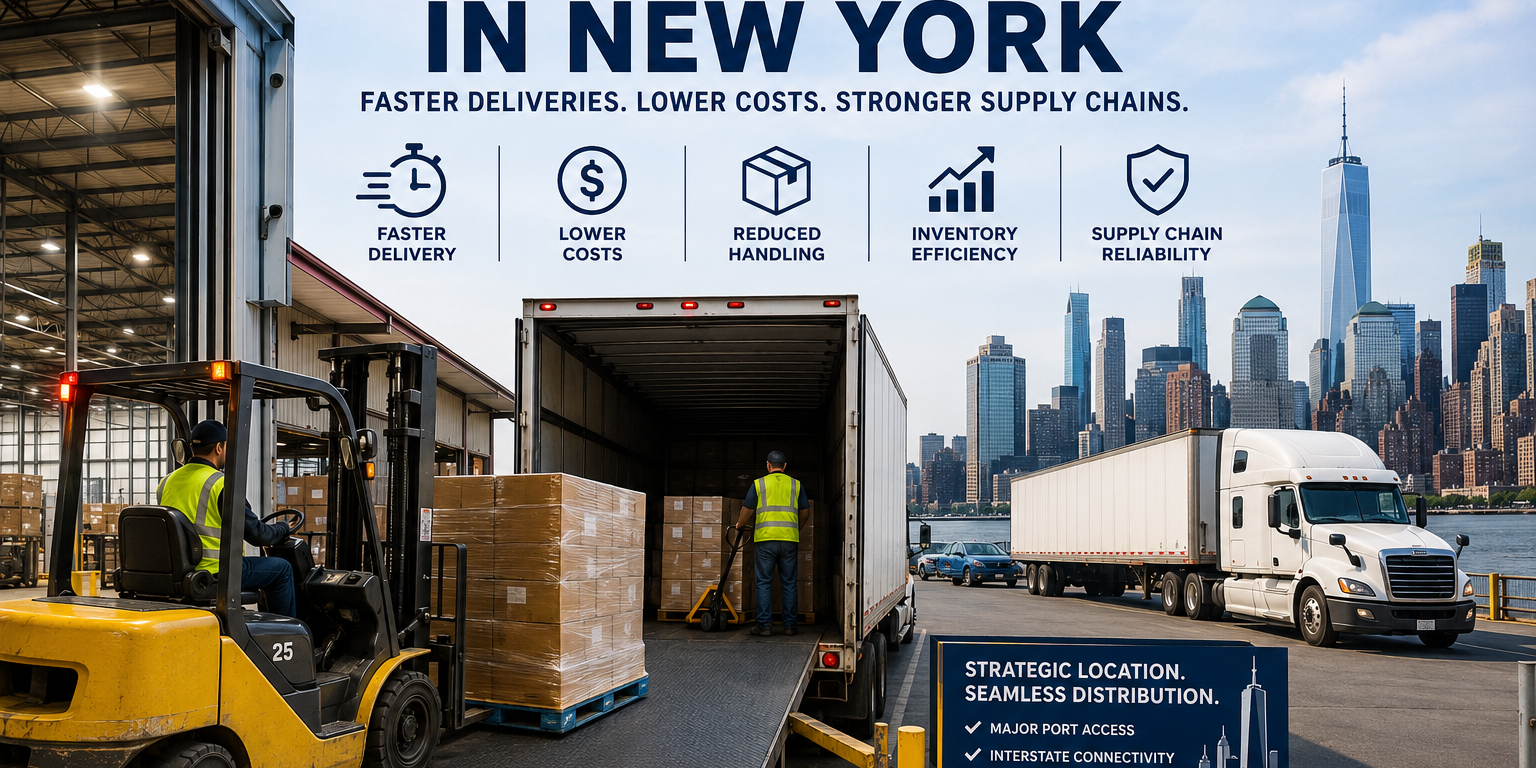
Cross Docking Services In New York: The Key to Faster, Smarter Freight Distribution
Introduction
New York is one of the busiest logistics hubs in North America. With access to major ports, interstate highways, rail terminals, airports, and one of the largest consumer markets in the world, businesses rely on efficient freight movement to remain competitive. As supply chains continue to evolve, many shippers, retailers, manufacturers, importers, and e-commerce companies are turning to Cross Docking Services In New York to reduce costs, speed up deliveries, and improve overall supply chain performance.
Cross docking has become one of the most effective logistics strategies for companies looking to eliminate unnecessary storage, minimize handling, and accelerate freight movement throughout the Northeast. Instead of storing products in a warehouse for days or weeks, freight is quickly transferred from inbound trucks to outbound transportation with little or no dwell time.
What Is Cross Docking?
Cross docking is a logistics process where inbound freight is unloaded, sorted, consolidated, and immediately loaded onto outbound trailers for final delivery. The goal is to reduce or eliminate warehouse storage while maintaining a continuous flow of inventory through the supply chain.
Typical cross-docking operations include:
- Freight receiving
- Product inspection
- SKU sorting
- Load consolidation
- Pallet transfers
- Shipment staging
- Distribution routing
- Final-mile preparation
Rather than treating a warehouse as a storage facility, cross docking transforms it into a transfer hub designed for speed and efficiency.
Why New York Is Ideal for Cross Docking
New York’s strategic location makes it one of the premier cross-docking markets in the United States. The region serves as a gateway for both domestic and international freight movement.
Strategic Advantages Include:
- Access to the Port of New York and New Jersey
- Connections to I-95, I-87, I-80, and major regional highways
- Proximity to international airports
- Rail transportation access
- Dense retail and distribution networks
- Large population centers within a single day’s drive
These advantages make Cross Docking Services In New York an essential solution for companies seeking faster distribution throughout the Northeast Corridor.
The Growing Demand for Cross Docking
Modern supply chains are increasingly driven by speed. Consumers expect rapid delivery, retailers require frequent replenishment, and manufacturers rely on just-in-time inventory systems.
Cross docking helps businesses meet these demands by:
- Reducing warehouse dwell times
- Improving inventory turnover
- Supporting same-day and next-day distribution
- Lowering handling costs
- Increasing transportation efficiency
Cross-docking has become a cornerstone of modern logistics, especially for retail replenishment, e-commerce fulfillment, grocery distribution, and time-sensitive freight.
Four Situations Where Cross Docking Makes Sense
One of the leading logistics providers in New York highlights several situations where cross docking delivers exceptional value.
- Retail Distribution
Retailers often need inventory delivered quickly to multiple store locations. Cross docking allows incoming shipments to be sorted and redirected without lengthy storage periods.
Benefits include:
- Faster shelf replenishment
- Lower inventory carrying costs
- Reduced warehouse requirements
- Improved product availability
- Import and Port Freight
Imports arriving through New York and New Jersey ports often need immediate distribution to regional markets.
Cross docking helps:
- Reduce port congestion
- Minimize container detention fees
- Accelerate inland transportation
- Improve inventory visibility
- Temperature-Sensitive Products
Food, pharmaceuticals, and other sensitive products require rapid movement through the supply chain.
Cross docking helps maintain:
- Product freshness
- Temperature integrity
- Regulatory compliance
- Reduced spoilage risks
- E-Commerce Fulfillment
Online retailers face increasing pressure to deliver quickly and efficiently.
Cross docking enables:
- Faster order processing
- Reduced storage costs
- Quicker regional fulfillment
- Improved customer satisfaction
Major Benefits of Cross Docking
Reduced Warehousing Costs
Traditional warehousing can be expensive. Businesses pay for storage space, labor, inventory management, and handling.
Cross docking reduces these costs by minimizing storage requirements and moving freight directly through facilities. Some logistics providers report warehousing cost reductions of up to 25–30% after implementing cross-docking strategies.
Faster Delivery Times
Products move quickly from receiving docks to outbound trailers, significantly shortening transit cycles and enabling faster customer deliveries.
Improved Inventory Management
Cross docking supports lean inventory practices by reducing stock levels and increasing inventory turnover rates. Businesses maintain better visibility while reducing carrying costs.
Reduced Product Handling
Each time a product is moved, the risk of damage increases. Cross docking minimizes touchpoints, improving freight integrity and reducing claims.
Increased Transportation Efficiency
Cross docking allows freight consolidation and deconsolidation, helping companies optimize trailer utilization and reduce transportation expenses.
Common Industries Using Cross Docking
Retail
Retailers use cross docking to replenish stores quickly and efficiently while maintaining lower inventory levels.
Manufacturing
Manufacturers rely on just-in-time delivery systems to keep production lines operating efficiently. Cross docking ensures materials arrive when needed.
Food and Beverage
Perishable products benefit significantly from rapid transfer and reduced storage times.
E-Commerce
Online retailers leverage cross docking to accelerate fulfillment and reduce delivery times.
Pharmaceuticals
Healthcare companies depend on efficient product movement and controlled environments to maintain product quality.
Additional Cross Docking Services Available in New York
Modern cross-dock facilities often provide more than simple freight transfers. Many offer:
- Transloading
- Container unloading
- Load reconfiguration
- Sortation services
- Labeling
- Pick and pack
- Freight consolidation
- Trailer storage
- Temperature-controlled staging
- Final-mile delivery support
These services help businesses create flexible and scalable logistics solutions tailored to their unique supply chain requirements.
Important Features to Look For in a Cross Docking Provider
When selecting a provider, businesses should evaluate:
Strategic Locations
The best providers operate near major transportation corridors and population centers. Facilities throughout Manhattan, Buffalo, Farmingdale, Bay Shore, Rochester, Syracuse, Newburgh, and other New York logistics hubs provide regional distribution advantages.
Technology Integration
Modern facilities should utilize:
- Transportation Management Systems (TMS)
- Warehouse Management Systems (WMS)
- Real-time tracking
- Barcode scanning
- Inventory visibility tools
Technology improves accuracy, efficiency, and communication throughout the freight lifecycle.
Flexible Capacity
A provider should be able to scale services during seasonal peaks, promotions, and unexpected demand spikes.
Security and Compliance
Facilities should maintain proper security procedures, freight monitoring, and industry compliance standards.
How Cross Docking Supports Supply Chain Resilience
Supply chain disruptions continue to challenge businesses worldwide. Cross docking provides flexibility by enabling companies to:
- Respond faster to market changes
- Reduce dependence on warehouse capacity
- Improve inventory flow
- Minimize transportation delays
- Maintain customer service levels
For organizations managing large freight volumes, cross docking creates a more agile and responsive distribution network.
Why Businesses Continue Choosing Cross Docking Services In New York
Companies across industries continue investing in Cross Docking Services In New York because they deliver measurable advantages in speed, cost control, inventory management, and customer satisfaction. The combination of strategic location, transportation infrastructure, and modern logistics technology makes New York one of the most effective regions in the country for cross-docking operations.
As supply chains become increasingly time-sensitive, businesses need logistics partners capable of moving freight quickly and efficiently. Cross docking provides exactly that advantage.
Conclusion
The future of logistics is centered around speed, efficiency, and visibility. Cross Docking Services In New York help businesses eliminate unnecessary storage, reduce handling costs, accelerate deliveries, and improve supply chain performance. Whether supporting retail distribution, e-commerce fulfillment, manufacturing operations, or imported freight, cross docking has become a critical strategy for modern supply chains.
For companies seeking to improve transportation efficiency and reduce operational costs, Cross Docking Services In New York offer one of the most effective logistics solutions available today.