
Introduction
In today’s competitive freight market, businesses shipping in bulk need to understand how a Full Truckload Shipping Rate is calculated. Whether you’re moving consumer goods, industrial equipment, or seasonal products, knowing the cost drivers behind FTL shipments will help you budget effectively, avoid hidden charges, and negotiate better with carriers.
This guide explains the main factors that influence truckload pricing, how to estimate your costs, and the best ways to secure a competitive quote.
What is a Full Truckload Shipping Rate?
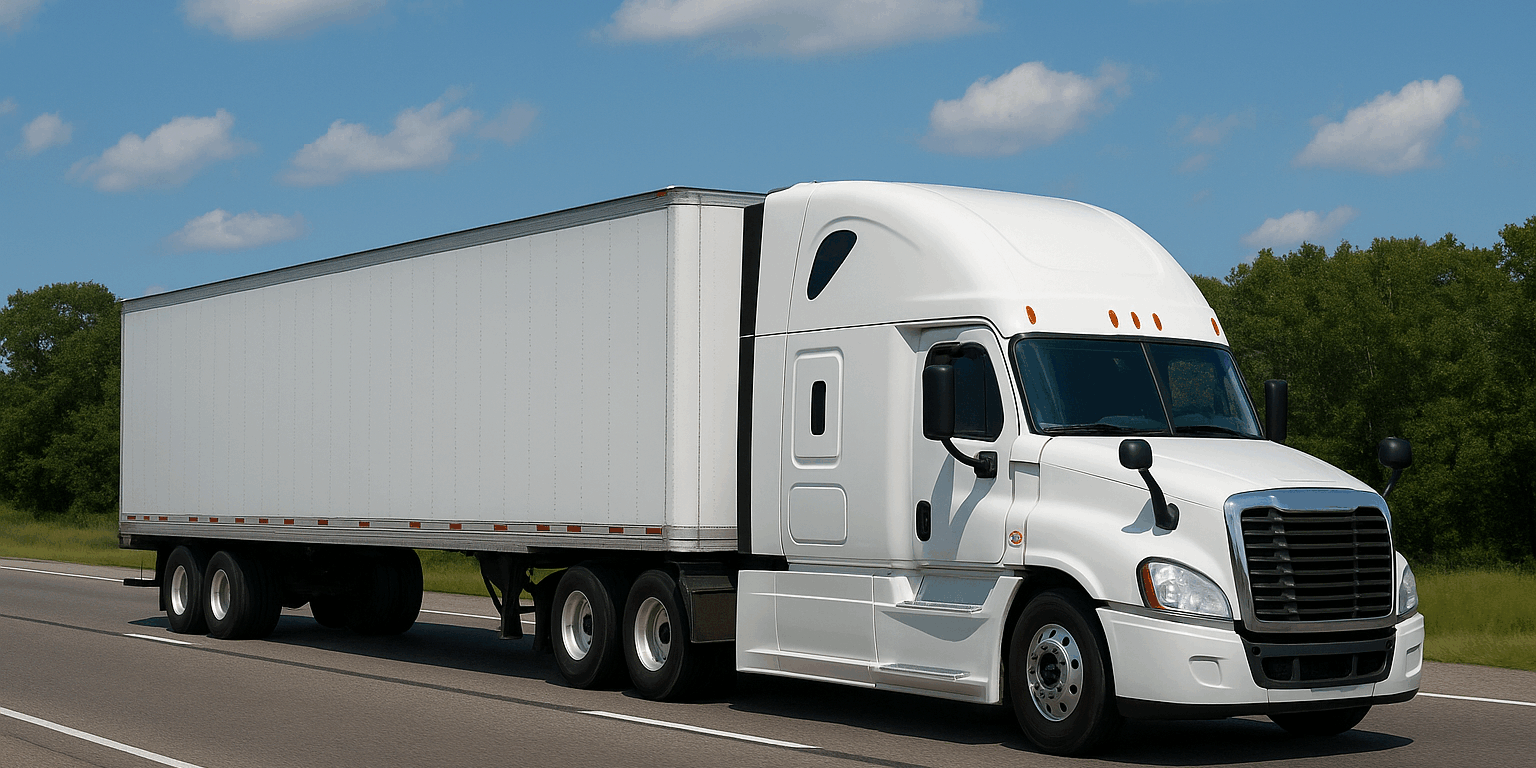
A Full Truckload Shipping Rate is the total cost of renting an entire trailer for a single shipment. Unlike LTL (Less-than-Truckload), where you share space with other shippers, FTL guarantees that your goods are the only cargo on board.
When should you choose FTL?
- You’re shipping more than 10,000 lbs or 10+ pallets.
- You need faster delivery with fewer stops.
- Your cargo requires dedicated handling or added security.
Factors That Determine Your Rate
| Factor | Description | Impact on Rate |
| Distance & Route | Longer miles = higher fuel and labor costs. Congested or difficult routes may add surcharges. | Significant |
| Weight & Volume | Trailers are priced by capacity; oversized or heavy freight can reduce availability. | High |
| Freight Type | Hazardous, refrigerated, or high-value goods require specialized trailers. | Medium–High |
| Fuel Costs | Fluctuating diesel prices affect rates weekly. | Medium |
| Market Conditions | High demand seasons (e.g., holidays, produce) increase rates. | High |
| Accessorials | Liftgates, inside delivery, and detention fees add to total cost. | Variable |
Source: RXO Truckload Market Guide
How to Estimate Your Rate
- Gather shipment details (weight, dimensions, pallet count).
- Identify pickup and delivery locations (zip codes help calculate miles).
- Use a freight calculator or request an FTL freight quote.
- Review accessorial needs (e.g., residential delivery, inside pickup).
💡 Tip: Online freight calculators, like those offered by Freightquote and Schneider, provide instant estimates but may not reflect negotiated discounts.
FTL vs. LTL: Cost Comparison
- FTL: Higher flat rate but lower cost per pound for large shipments.
- LTL: Lower upfront cost, but slower transit and more handling.
If your freight fills half or more of a trailer, FTL often becomes more cost-effective than booking LTL space.
2025 Trends in Truckload Rates
- Moderate increases in dry van rates expected due to fuel volatility.
- Flatbed demand rising in construction and manufacturing sectors.
- Shippers benefit from contract rates that lock in pricing for the year.
(Source: C.H. Robinson Market Update)
How to Lower Your Full Truckload Shipping Rate
- Book early and avoid peak seasons.
- Use flexible pickup/delivery windows.
- Consolidate shipments when possible.
- Work with a trusted carrier or 3PL for negotiated volume discounts.
- Be transparent about cargo type and requirements to avoid re-quotes.
FAQs
Q1: How long is a Full Truckload Shipping Rate valid?
Usually 30–60 days, depending on market and fuel.
Q2: Are FTL quotes cheaper than LTL?
Not always; it depends on shipment size. But FTL is more reliable for large, urgent, or sensitive freight.
Q3: Do carriers charge extra for delays?
Yes, detention fees apply if loading/unloading exceeds free time (typically 1–2 hours).
Conclusion
A Full Truckload Shipping Rate isn’t one-size-fits-all—it depends on distance, weight, market demand, and special handling needs. By understanding these factors and comparing multiple FTL freight quotes, shippers can secure the most cost-effective and reliable transportation for their business in 2025.